Case
Case

In the oil and gas industry, valves are not only a crucial component of pipeline systems but also core equipment for ensuring safe operation, controlling risks, and improving efficiency. From upstream extraction and midstream transportation to downstream refining, various oil and gas operating conditions place extremely high demands on valve sealing performance, structural strength, and automated control capabilities. Therefore, establishing a systematic valve selection logic is key to engineering design, procurement decisions, and long-term operation and maintenance.
This article focuses on "oil and gas valve selection," integrating type analysis, standards and specifications, operating condition matching, and practical application scenarios to create an ultimate selection reference for engineers, procurement personnel, and project decision-makers.
Oil and gas media typically possess the following characteristics:
High-pressure, high-temperature operating environment
Flammable and explosive, requiring high safety standards
May contain sulfur, particles, or be corrosive
Large pipeline diameters, long continuous operating times
Therefore, oil and gas valves generally need to meet the following requirements:
API international standard certification
Fire-safe structural design
Anti-static and leak-proof structure
Long-term stable operation capability
Compared to ordinary industrial valves, oil and gas valves emphasize reliability and life-cycle cost rather than simply price.
Different process stages correspond to different valve structures. Correctly understanding the characteristics of various valves is the first step in selection.
1. API Ball Valve
One of the most common shut-off valves in the oil and gas industry.
Features: Rapid opening and closing, excellent sealing performance; emergency shut-off function; suitable for high-pressure pipelines and automation systems.
Typical Applications: Oil and gas pipelines; LNG systems; ESD emergency shut-off systems
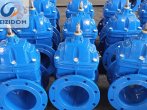
2. Gate Valve
Suitable for fully open and fully closed conditions requiring low flow resistance.
Advantages: Low medium flow resistance; suitable for large-diameter trunk pipelines.
Application Scenarios: Crude oil pipelines; natural gas trunk systems; power plant high-pressure pipelines.
3. Globe Valve
Mainly used for flow control and throttling.
Features: Strong regulating capacity; reliable sealing; commonly used in refining and chemical plants and steam systems.
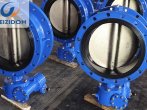
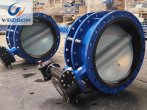
4. Butterfly Valve
Has a significant cost advantage in large-diameter low-pressure systems.
Applicable Scenarios: Oil depot storage and transportation systems; cooling water systems; large-diameter low-pressure pipelines.
5. Check Valve
Used to prevent backflow of media and protect equipment safety.
Commonly found in: Compressor outlets; post-pump pipelines; LNG plant systems
The oil and gas industry widely adopts the API standard system, commonly including:
API 6D: Pipeline ball valve standard
API 600: Steel gate valve standard
API 607 / 6FA: Fire resistance testing standards
Selecting valves that conform to API standards ensures: structural design meets extreme operating conditions; reliable sealing performance; and compatibility with international engineering projects.
1. High-Pressure Transmission Pipelines
Recommended: Fixed ball valves; metal-sealed structure
Reason: Strong pressure resistance and stable sealing.
2. Refining and High-Temperature Process Systems
Recommended: Gate valves; triple-eccentric metal-sealed butterfly valves
Effectively address high-temperature erosion and thermal expansion issues.
3. Sulfur-containing or corrosive media
Preferred materials: 316 stainless steel; duplex steel; materials conforming to NACE standards
4. Large-diameter low-pressure pipelines
Pneumatic butterfly valves are generally more economical and offer installation advantages.
Common valve body materials
WCB carbon steel: Suitable for conventional oil and gas conditions
304/316 stainless steel: Excellent corrosion resistance
Duplex steel: Strong resistance to chloride ion corrosion
Alloy steel: Resistant to high temperature and high pressure
Sealing structure selection
Sealing type: Applicable operating conditions
Soft seal: Low temperature, clean media
Metal seal: High temperature, high pressure, containing particles
Metal seals are increasingly widely used in the oil and gas industry because of their longer service life and stronger erosion resistance.
Modern oil and gas systems extensively utilize automated valves:
Pneumatic actuators: Fast response, excellent explosion-proof performance
Electric actuators: Suitable for remote, precise control
Positioners: Enable continuous adjustment
Solenoid valves and limit switches: Enable interlocking control
A proper actuator configuration can significantly improve system safety levels.
Focusing solely on price, ignoring lifecycle costs. Low-priced valves may lead to frequent maintenance.
Ignoring pressure ratings and safety factors.
This can lead to premature valve failure.
Insufficient actuator torque selection.
This may result in incomplete closure or malfunction.
With the development of industrial automation, oil and gas valves are upgrading in the following directions:
Intelligent monitoring and remote diagnostics
Integration into automated control systems
High-performance materials and long-life sealing structures
The role of valve suppliers is also gradually shifting from single manufacturers to overall solution providers.
A complete valve selection process typically includes:
Defining the medium and operating parameters
Confirming pressure rating and standard requirements
Selecting the appropriate valve type
Matching materials and sealing structures
Configuring actuators and control accessories
A systematic process can significantly reduce the error rate in valve selection.
Valve selection in the oil and gas industry is essentially a comprehensive balance between safety, reliability, and economy. From API standards, valve type, material structure to automation configuration, every step directly affects the long-term operational performance of the system.
Establishing a complete selection logic not only improves project efficiency but also reduces operation and maintenance costs, ensuring the long-term stable operation of oil and gas systems in harsh environments.