
case

case

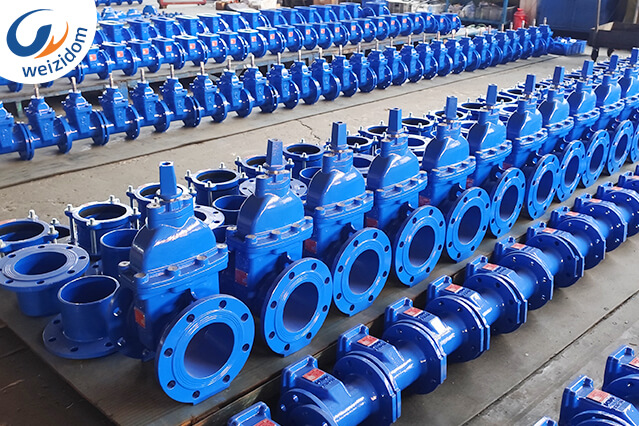
In global industrial production, engineering construction, and multinational projects, valves…
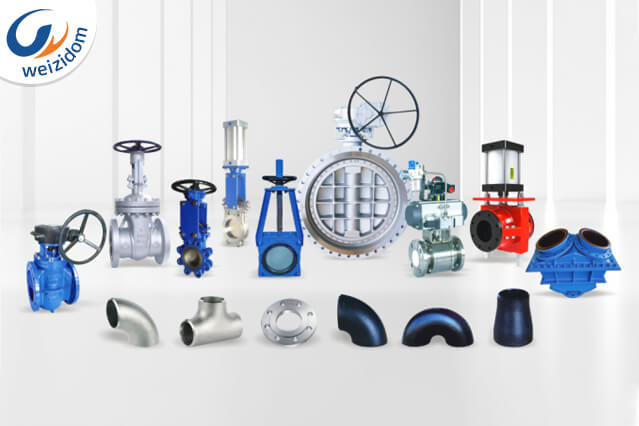
Mining operations rely heavily on slurry pipelines to transport ore, tailings, and wastewater—media that are highly abrasive, corrosive, and contain high concentrations of solid particles (sand, gravel, ore fragments).
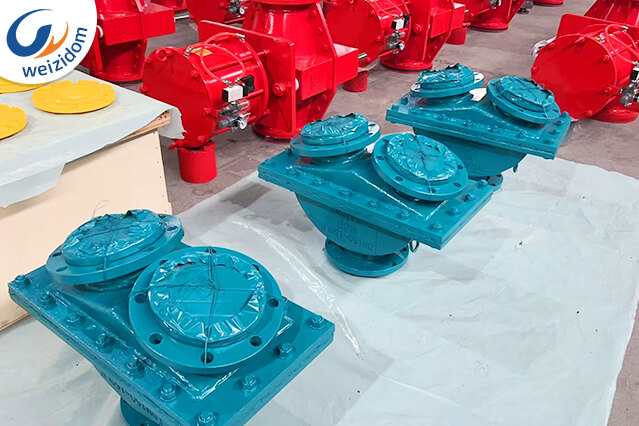
Mining operations are among the harshest environments for industrial valves. Slurries containing sharp rock particles, abrasive tailings, crystallizing solutions, and corrosive chemicals rapidly destroy standard gate, ball, and butterfly valves—leading to costly downtime, safety hazards, and frequent maintenance.
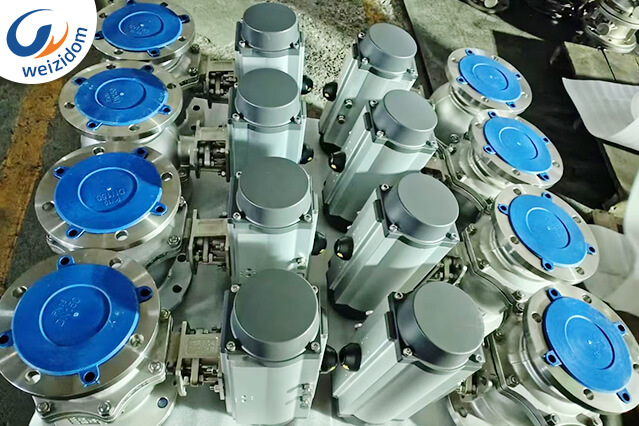
API 6D is the definitive standard developed by the American Petroleum Institute for pipeline valves used in petroleum and natural gas industries, covering design, materials, dimensions, testing, and marking requirements.
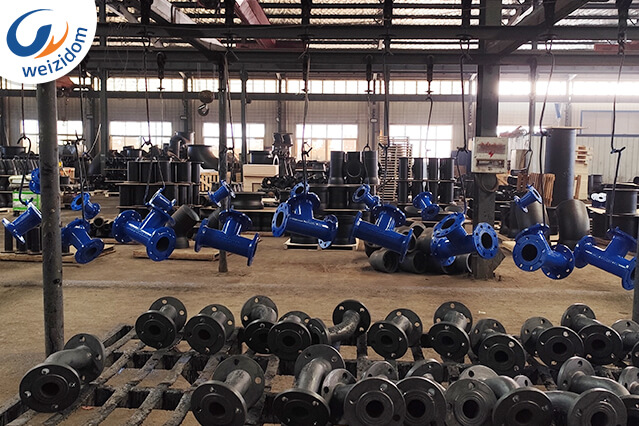
Every piping system—whether transporting water to a city, natural gas to a power plant, or process fluids through an industrial facility—relies on a network of fittings to change direction, create branches, and connect equipment.
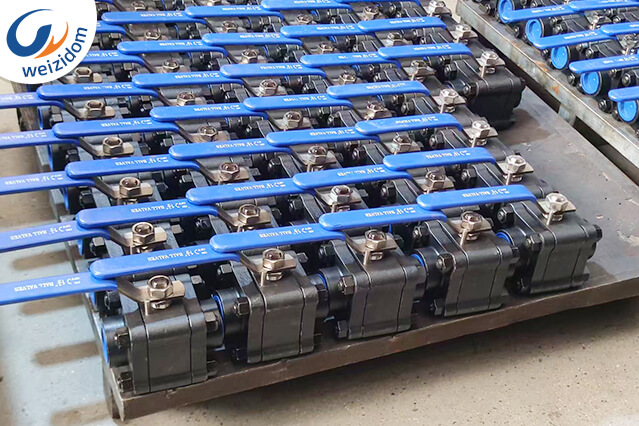
An API Ball Valve is a quarter-turn, high-performance industrial valve that uses a spherical ball with a cylindrical bore to control the flow of fluids in pipelines. Designed and manufactured in accordance with American Petroleum Institute (API) standards — primarily API 6D for pipeline valves — these valves are engineered to withstand the demanding conditions of oil, gas, and petrochemical applications.
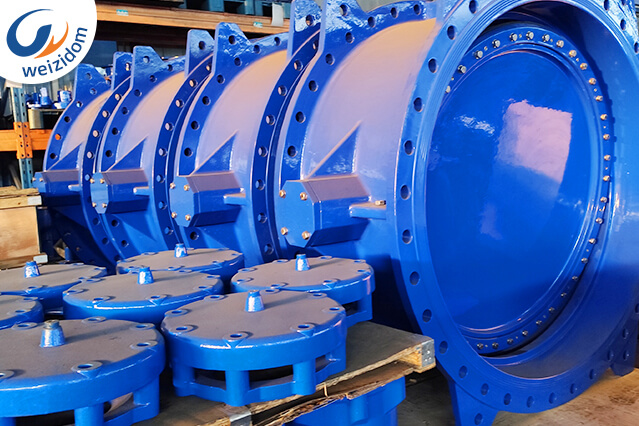
Butterfly valves are the workhorses of fluid control, but internal leakage, external leakage, and actuator instability can shut down your plant. Learn to diagnose, fix, and prevent these failures with our expert maintenance and troubleshooting guide.
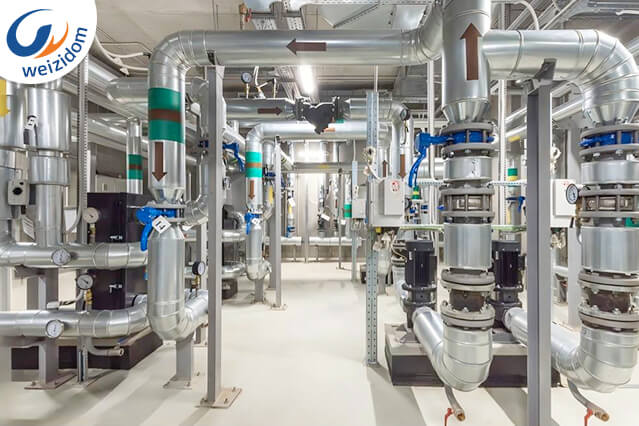
The chemical industry is one of the most demanding environments for flow control equipment. Concentrated acids (H₂SO₄, HCl, HNO₃), caustic alkalis (NaOH), aggressive organic solvents, and high-temperature corrosive slurries rapidly degrade standard valves, fittings, and instruments. Packing leaks, seat erosion, metal corrosion, and permeation are daily battles.
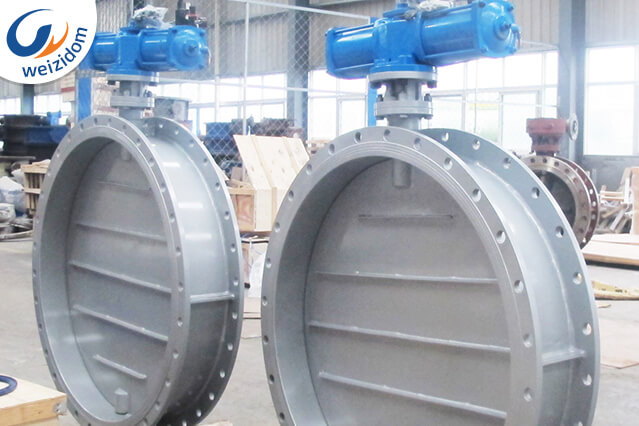
In modern building air conditioning, industrial plants, central air conditioning…
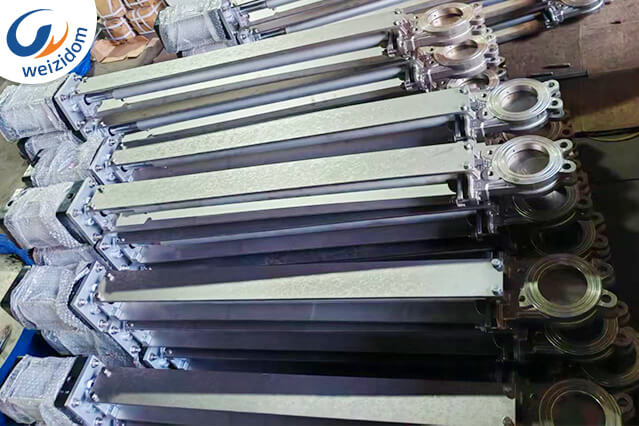
If your plant handles thick slurries, abrasive powders, fibrous wastewater, or particulate-laden media, you already know the problem: conventional gate valves jam, ball valves clog, and globe valves wear out far too quickly. There is a better solution — the Knife Gate Valve.