solution
solution
Mining is one of the harshest environments for flow control equipment. Slurries with sharp particles, dry powders, acidic leach solutions, and corrosive tailings rapidly degrade standard valves and fittings. Packing leaks, seat erosion, cavity clogging, and material failure are daily battles.
Selecting the right product is not just about preventing leaks — it is about maximizing plant uptime, reducing maintenance costs, and ensuring worker safety.
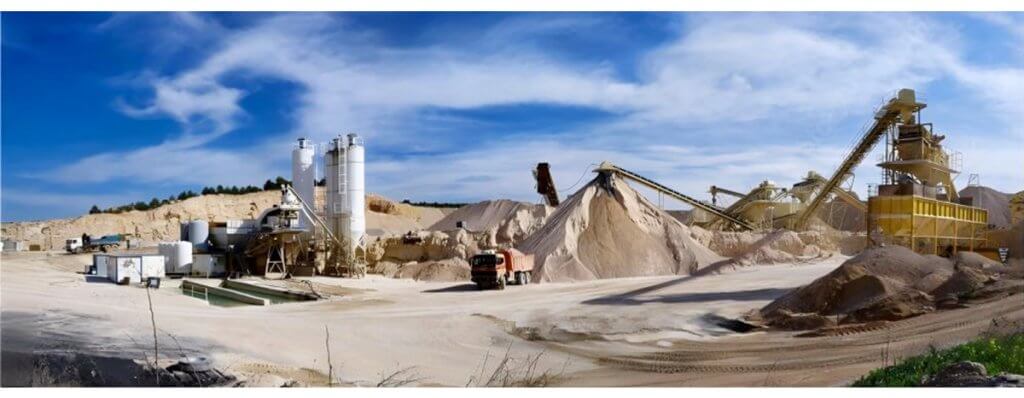
Pneumatic Pinch Valve
A pneumatic pinch valve uses compressed air to squeeze a rubber sleeve (natural rubber, neoprene, or EPDM) — closing the flow path completely. When air pressure is released, the sleeve returns to its open shape. No metal parts touch the media.
Full bore flow – No obstruction, minimal pressure drop.
No clogging – The sleeve closes around solids, not against them.
Abrasion resistant sleeve – Rubber absorbs impact from sharp particles.
Pneumatic actuation – Fast open/close for automated plants.
Low maintenance – Only sleeve replacement, no seals or packing.
Corrosion-free – Process media contacts only rubber.y Handling and Transport
Role in Mining
* Thickener underflow discharge
* Filter feed and discharge
* Tailings line isolation
* Slurry transfer with high solids content (up to 70% solids)
Why Irreplaceable
When solids concentration exceeds 40%, gate valves jam and ball valves erode. The pinch valve’s sleeve fully encloses solids when closing, providing bubble-tight shut-off without wedging particles. No other valve type handles high-density slurry with this reliability.
Ceramic-Lined Gate Valve
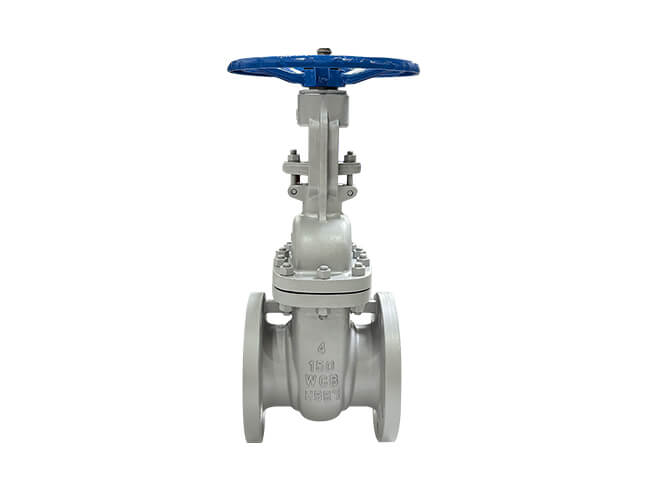
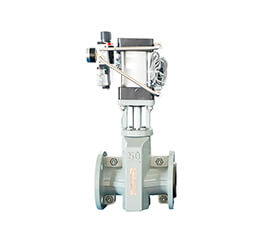
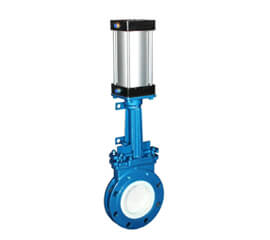
A gate valve with a ceramic lining on all wetted parts (body, gate, seats). The gate moves linearly up and down. Standard JB/T8691-1998, DN50-1000, PN10-16. Materials: WCB, CF8, CF8M.
Extreme abrasion resistance – Ceramic hardness HRA85+ resists slag, dry ash, coarse slurry.
Large diameter capability – Up to DN1000 (40″) for main slurry pipelines.
Self-cleaning motion – Gate movement scrapes off accumulated solids.
Corrosion resistant – Ceramic is inert to most acids.
Long life in low-cycle service – Ideal for isolation that operates a few times per day.
Cost-effective – Lower than exotic alloy valves for PN10-16 range.
Role in Mining
* Slurry pipeline isolation
* Power plant ash removal (adjacent to mining operations)
* Coal chemical black water
* Metallurgical slurry lines
Why Irreplaceable
Metal-seated gate valves wear rapidly in abrasive service. Rubber-lined valves tear. Ceramic lining combines hardness with chemical inertness, surviving where both metal and elastomers fail. For large-diameter, low-cycle slurry isolation, no alternative matches its life.
Ceramic-Lined Ball Valve
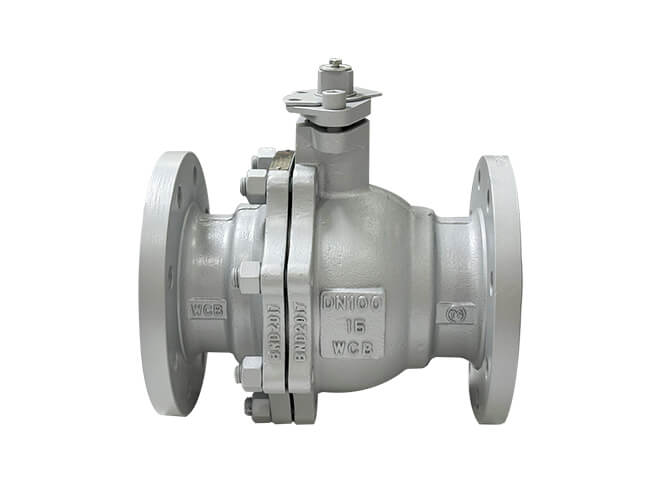
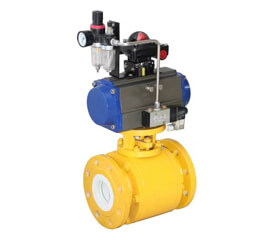
A ball valve with ceramic ball, seats, and internal lining. Quarter-turn operation. Standard GB/T12237-2007, DN20-350, PN10-64. Materials: A105, E304, F316.
High pressure capability – Up to PN64 (Class 600 equivalent).
Tight shut-off with fine powders – Silica powder, coal dust, fine tailings.
Quick quarter-turn – Fast emergency shut-off or automated cycling.
Corrosive + abrasive combined – Handles acidic slurry (HCl + solids).
Smooth ceramic flow path – Low pressure drop, no sticking.
Wide material choice – Carbon steel or stainless steel body.
Role in Mining
* Coal slurry and coal powder lines
* New energy material preparation (lithium, graphite)
* High-intensity ash removal
* Acid leaching circuits with solids
Why Irreplaceable
Ball valves with metal seats cannot seal against fine abrasive powders — particles embed and cause leakage. Soft-seated balls tear. The ceramic ball and seat lap to a near-perfect seal while resisting wear. For high-pressure, frequent-cycle, or fine-powder service, it is the only reliable choice.
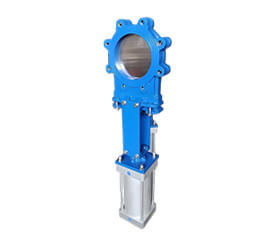
WCB Pneumatic Knife Gate Valve
A knife gate valve with WCB (carbon steel) body, actuated by a pneumatic cylinder. The sharp gate “cuts” through slurry and closes against a seat. Used for on/off isolation of thick slurries.
Cuts through solids – Sharp gate edge slices fibrous or high-solid slurry.
Pneumatic actuation – Remote operation for hazardous areas.
Bidirectional sealing – Seals against pressure from either side.
Low profile – Saves space compared to gate or ball valves.
Easy maintenance – Seat and gate replaceable without removing body.
Cost-effective – Lower cost than ceramic-lined for less severe service.
WEIZIDOM typically, mines are recognised as being amongst the harshest working environments on the planet. Critical environmental conditions, solid contamination (dust) and severe processes are only some of the challenges present in a mining plant. Just let us know what you need, WEIZIDOM will provide you a perfect package services.
Role in Mining
Flotation cell feed isolation
Thickener underflow (moderate abrasion)
Concentrate pipeline shut-off
Dewatering system isolation
Why Irreplaceable
For slurries that contain fibers, long particles, or high solids that would pack a regular gate valve, the knife gate’s shearing action ensures full closure. No other valve type can “cut through” a packed line.
SS Knife Gate Valve (Stainless Steel)
Same knife gate design but with stainless steel body (CF8/SS304 or CF3M/SS316L). Used where corrosion combines with solids — acidic slurries or saline process water.
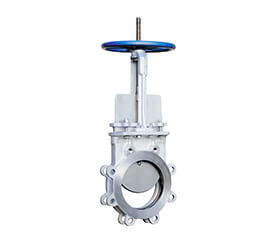
Corrosion resistance – SS316L resists acidic and chloride attack.
Sharp gate shears solids – Same cutting action as WCB version.
Pneumatic or manual – Flexible actuation options.
No cavity buildup – Gate design minimizes solids trapping.
Longer life in corrosive slurry – Outlasts carbon steel weeks to months.
Bidirectional – Seals equally in both flow directions.
Role in Mining
* Acidic flotation circuits (pH <5)
* Saline water process lines
* Corrosive concentrate handling (copper, nickel)
* Leach feed isolation
Why Irreplaceable
Standard carbon steel knife gate valves corrode rapidly in acidic or saline mining services. Stainless steel version provides the same shearing action with chemical resistance. No other valve combines cutting capability with corrosion resistance in one package.
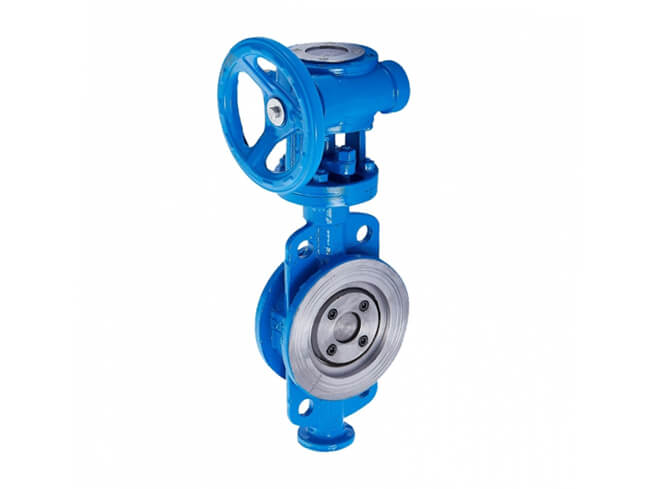
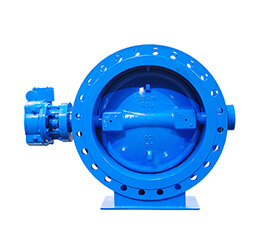
Triple-Eccentric Butterfly Valve
A butterfly valve with three offsets (triple eccentricity) — metal seat to metal seal. No soft parts. Quarter-turn, suitable for high pressure, high temperature, and abrasive services.
Zero seat wear – Camming action lifts seal off seat before rotation.
Metal-to-metal sealing – Withstands high temperature and abrasion.
High pressure rating – Up to Class 600 (PN100).
Large diameters – Up to 48″ for main slurry lines.
Low torque – Easier actuation compared to gate valves.
Fire-safe – No elastomers to burn.
Role in Mining
High-pressure leaching autoclave feed/isolations
Concentrate pipelines (copper, gold)
Tailings high-pressure lines
SAG mill discharge isolation
Why Irreplaceable
Soft-seated butterfly valves fail in high-temperature or highly abrasive mining services. Gate valves are slow and heavy. The triple-eccentric design combines metal-seat durability, quarter-turn speed, and bidirectional shut-off. For HPAL (high-pressure acid leach) or concentrate pipelines, it is often the only valve that survives.
Three-Way Directional Valve
A valve with one inlet and two outlets (or two inlets, one outlet), used to divert flow between two paths. Can be ball or plug type design, manually or actuated.
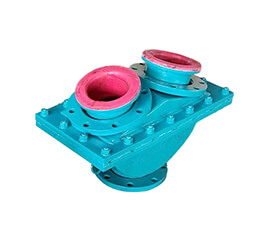
Single valve replaces two – Reduces fittings, welds, and leak points.
No dead legs – No trapped media when switching.
Quick flow diversion – Seconds to change direction.
Compact design – Saves space in skid-mounted systems.
Low pressure drop – Smooth internal geometry.
Easy automation – Single actuator controls two services.
A valve with one inlet and two outlets (or two inlets, one outlet), used to divert flow between two paths. Can be ball or plug type design, manually or actuated.
Role in Mining
* Flotation circuit reagent diversion
* Filter feed switching between filter presses
* Concentrate routing to different bins
* Sampling system flow direction
Why Irreplaceable
Two separate valves with a spool piece create dead legs where slurry settles and dries — causing blockages. A three-way directional valve eliminates dead legs entirely, ensuring continuous flow without settling. No other arrangement provides this with a single actuator.
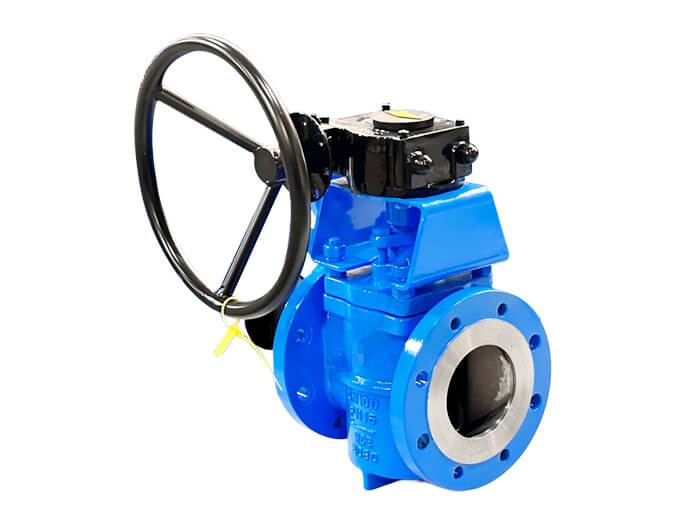
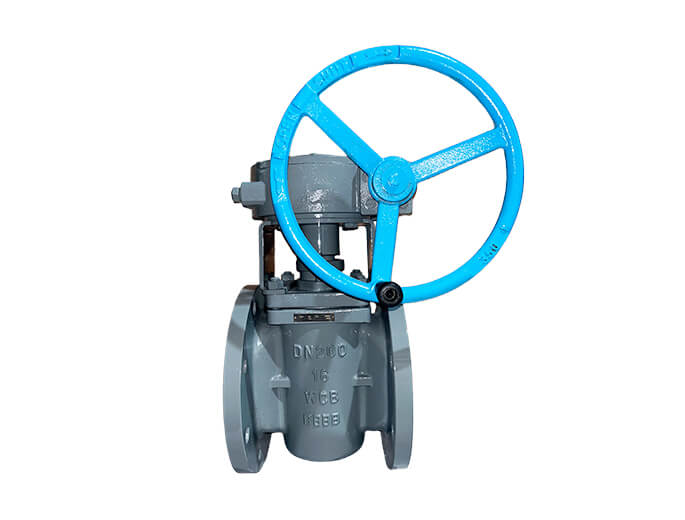
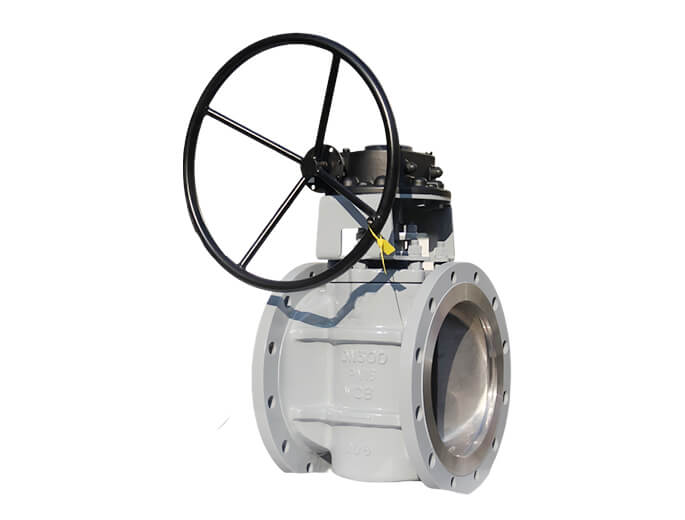
Plug Valve (Lubricated or Non-Lubricated)
A quarter-turn valve with a tapered or cylindrical plug that rotates to align ports. Can be lubricated (for metal-to-metal) or sleeved (with PTFE). Excellent for on/off and moderate throttling.
6 Key Advantages
Multiport capability – 2-way, 3-way, 4-way configurations.
Straight through flow – Low pressure drop.
No cavities – No solids accumulation.
Bi-directional – Seals in either direction.
Long service life – With proper lubrication or sleeve.
High turndown – Can be used for basic flow regulation.
Role in Mining
* Sampling systems (3-way plug valve)
* Reagent distribution
* Thickener feed diversion
* Pump recirculation lines
* Why Irreplaceable
Ball valves often have cavities around the ball that trap solids, leading to jamming. Plug valves have a smooth, tapered plug with no cavities. For services where solids settling is a concern (intermittent operation), plug valves remain free-turning longer than ball valves.
SS Flanges (Stainless Steel)
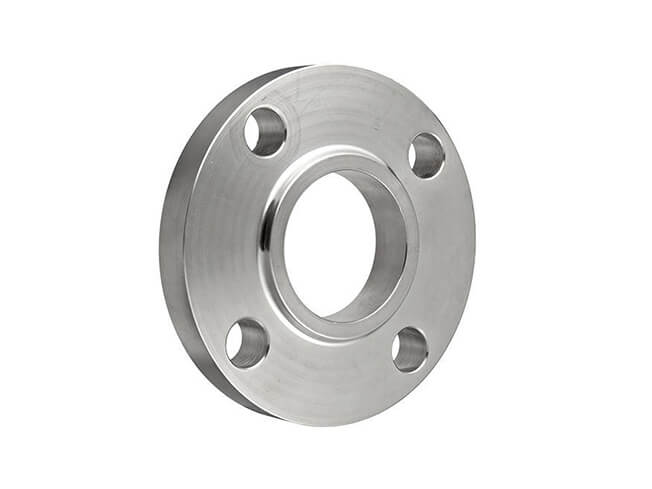
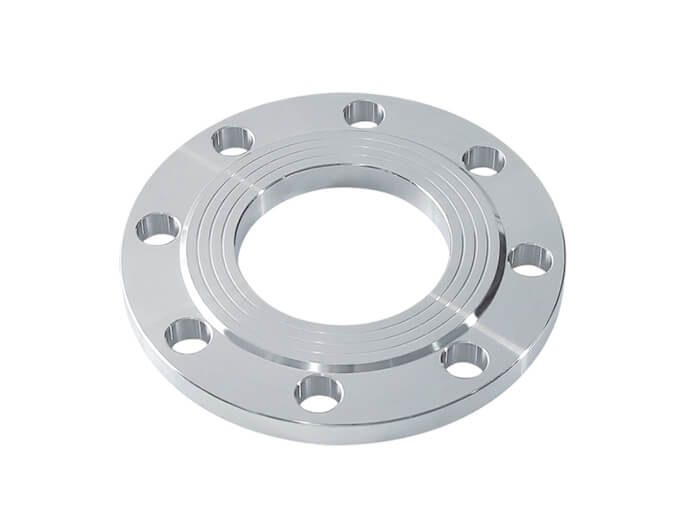
Flanges connect pipes, valves, and equipment. Stainless steel flanges (SS304, SS316/316L) provide corrosion resistance in aggressive mining environments — acid leaching, saline water, or corrosive concentrate.
6 Key Advantages
Corrosion resistant – SS316L withstands chlorides and low pH.
High strength – Suitable for high-pressure circuits.
Standard drilling – Compatible with ANSI, DIN, GB, JIS.
Weld or threaded – Flexible joining methods.
Reusable – Flanged joints allow disassembly for maintenance.
Traceability – Material certification available for critical service.
Role in Mining
* Connecting ceramic-lined valves in acid leaching lines
* Flanged joints in high-pressure concentrate pipelines
* Corrosive slurry pump connections
* Hydrometallurgy tank farm piping
Why Irreplaceable
Carbon steel flanges corrode in acidic mining services, leading to gasket failure and leaks. Plastic flanges lack strength. SS flanges provide both strength and corrosion resistance, ensuring leak-free joints throughout plant life. No alternative material matches this balance.
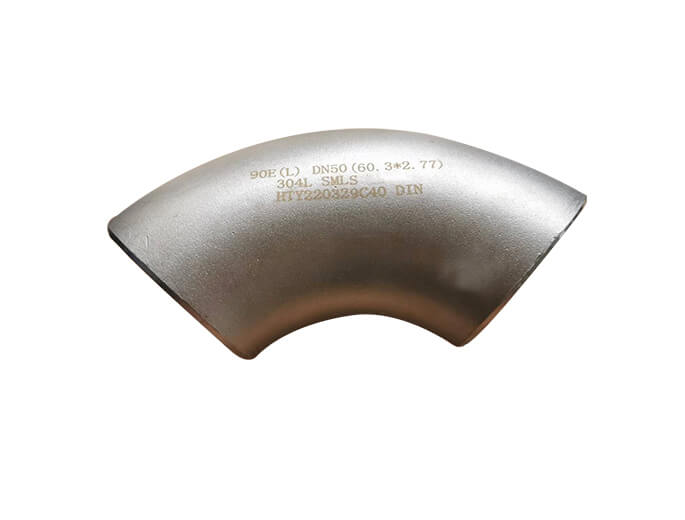
SS Elbow (Stainless Steel)
A 45° or 90° pipe elbow made of stainless steel (SS304, SS316L). Used to change direction of flow in corrosive or abrasive mining lines.
6 Key Advantages
Corrosion resistant – For acidic and saline slurries.
Smooth interior – Reduced turbulence compared to carbon steel with lining.
Long radius options – Gentler change for abrasive slurry.
Weldable – Easily integrated into stainless piping systems.
Available with lined options – Can be ceramic or rubber lined for extreme abrasion.
Standard dimensions – ASME B16.9, GB/T 12459.
Role in Mining
* Direction changes in acid leaching circuits
* Corrosive concentrate transfer lines
* Pump discharge piping with corrosion risk
* High-purity water lines (mineral processing)
Why Irreplaceable
A piping system without elbows is impossible. Carbon steel elbows corrode; plastic elbows lack mechanical strength. SS elbows bridge the gap — corrosion resistance with full pressure rating. For lines carrying acidic slurry or saline process water, they are the standard choice.
SS Tee (Stainless Steel)
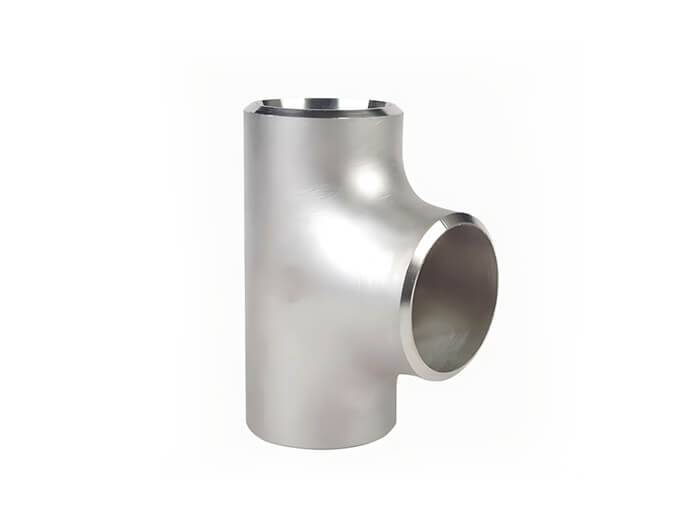
A three-way fitting — straight tee or reducing tee — made of stainless steel. Used to branch or combine flow in mining piping systems.
6 Key Advantages
Corrosion resistant – Same SS304/316L protection.
Branch flow – Enables distribution to multiple points.
Reducing options – One size to two smaller sizes.
Stronger than lined carbon steel – No lining delamination risk.
Weldable – Reliable connections.
Full pressure rating – No derating like plastic fittings.
Role in Mining
* Distributing leaching solution to multiple tanks
* Combining concentrate lines from parallel filters
* Reagent feed branching to flotation cells
* Sampling system connections
Why Irreplaceable
To create a branch in a corrosive mining line, you need either a tee or a welded saddle. Stainless steel tees provide strong, leak-free branches without introducing corrosion points. In acid or saline service, carbon steel tees fail at the branch weld due to preferential corrosion. SS tees eliminate this failure mode.
Summary Table: Each Product’s Role in Mining (Fast Reference for Project Engineers)
| Product | Primary Role in Mining | Typical Application |
| Pneumatic Pinch Valve | Thickener underflow & tailings isolation | High-density slurry (40-70% solids) shut-off |
| Ceramic-Lined Gate Valve | Large-diameter slurry pipeline isolation | Main slurry lines, ash removal, PN10-16 |
| Ceramic-Lined Ball Valve | High-pressure / fine powder / corrosive slurry | Coal slurry, acid leaching, high-cycle lines |
| WCB Pneumatic Knife Gate Valve | Cutting through fibrous/high-solid slurry | Flotation feed, concentrate lines, dewatering |
| SS Knife Gate Valve | Corrosive + solid service (acidic or saline slurry) | Acidic flotation, saline process water lines |
| Triple-Eccentric Butterfly Valve | High-pressure / high-temp / large diameter | HPAL autoclave feed, concentrate pipelines |
| Three-Way Directional Valve | Flow diversion without dead legs | Filter feed switching, reagent routing |
| Plug Valve | Cavity-free on/off for solids-prone media | Sampling systems, reagent distribution |
| SS Flanges | Corrosion-resistant connections | Acid leaching, hydrometallurgy, high-pressure lines |
| SS Elbow | Direction change in corrosive/abrasive lines | Acidic slurry piping, pump discharge |
| SS Tee | Branching flow in corrosive service | Leach solution distribution, concentrate combining |
Contact WEIZIDOM for Mining Project Support
Selecting the wrong product for a mining application can cost weeks of downtime and thousands in repairs. WEIZIDOM Group has supplied mining products for over 25 years, with 3000+ projects including slurry handling, flotation, leaching, and tailings.
Website: www.wsdvalves.com
Instagram: @eileen_weizidom.solution
Tell us your medium, solids percentage, particle size, pH, temperature, and pressure — we will recommend the exact product for your mining application.

Email:info@wsdsolution.com
Tel:+86-17319732766