Case
Home / Case / Experience / What Valves are Required in Copper Mining? A Comprehensive Guide to Mine Valve Selection and System Solutions
Case
Driven by global energy transition and electrification trends, the demand for copper, as a key industrial metal, continues to grow. From electricity and electric vehicles to infrastructure construction, the importance of copper mining is constantly increasing. However, the complex operating conditions and harsh environments in copper mining and beneficiation place extremely high demands on equipment reliability.
Valves, as core equipment in mine fluid control systems, are involved in multiple key stages, including slurry transportation, beneficiation processing, chemical leaching, and tailings treatment. So, what valves are actually needed in copper mining? How can we select the right valves for different operating conditions?
This article will systematically analyze the application of mine valves from multiple dimensions, including process flow, valve types, selection logic, and overall solutions.
Copper mining typically includes the following main stages:
Ore extraction (open-pit or underground)
Ore crushing and grinding
Slurry conveying
Flotation and beneficiation
Leaching (hydrometallurgy)
Tailings treatment
Throughout this complete process, valves are widely used in various pipeline systems to control fluids, regulate flow, and ensure safe system operation.
👉 It can be said that valves are crucial throughout the entire copper mining process and are one of the key pieces of equipment for ensuring stable system operation.
1. Slurry Pipeline
Slurry is the most typical medium in copper ore processing, characterized by high concentrations of solid particles and strong abrasive properties.
Common Valves:
Knife Gate Valve
Ball Valve
Butterfly Valve
Application Characteristics:
Requires wear resistance
Suitable for media containing particles
Requires reliable sealing
👉 Knife gate valves, due to their suitability for cutting off media containing solid particles, have become the core valves in slurry systems.
2. Mineral Processing and Flotation System
Precise control of the slurry and reagents is required during the flotation process.
Common Valves:
Control Valves
Butterfly Valves
Application Characteristics:
Requires flow regulation capability
High automation control requirements
3. Leaching and Chemical Treatment System
Acidic or corrosive solutions are often involved in copper ore hydrometallurgy.
Common Valves:
PTFE-lined Valves
Stainless Steel Valves
Application Characteristics:
Highly corrosive environment
High material requirements
4. Tailings Treatment System
Tailings systems are used for waste transportation and discharge, and are an important part of mine environmental protection.
Common Valves:
Knife Gate Valves
Check Valves
Application Characteristics:
High flow rate
Prevents backflow
Requires stable operation
5. Water Treatment and Auxiliary Systems
Mines typically have water treatment systems.
Common Valves:
Butterfly Valve Gate Valve
Common valves in mining systems include:
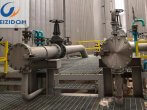
Knife Gate Valve: Suitable for slurry and high-solids-content media, with strong wear resistance.
Ball Valve: Suitable for high-pressure systems, with excellent sealing performance.
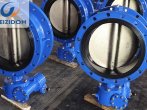
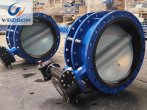
Butterfly Valve: Suitable for large-diameter pipelines, with good economic efficiency.
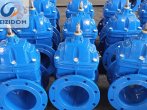
Gate Valve: Suitable for main pipelines, with low flow resistance.
Check Valve: Prevents backflow of media and protects equipment.
Control Valve: Used for precise control of flow and pressure.
👉 Various valves form a complementary relationship in mining systems.
Copper mining environments are complex, and valve selection must comprehensively consider multiple factors.
1. Wear Resistance (Key Factor)
Slurry contains a large number of solid particles, which easily cause wear to valves.
👉 Recommendations:
High wear-resistant materials
Reinforced sealing structure
2. Corrosion Resistance
Leaching systems often contain acidic media.
👉 Recommendations:
Stainless Steel Fluorine-Lined Valves
3. Pressure and Flow Rate
Slurry transportation is typically a high-flow-rate system.
👉 Matching valve diameter and pressure rating is required.
4. Automation and Actuators
Modern mines are trending towards automation:
Pneumatic Actuators
Electric Actuators
In actual projects, common problems include:
Ignoring slurry wear → Short valve life
Inappropriate material selection → Corrosion failure
Inadequate actuator selection → Control failure
Considering only cost → Neglecting long-term maintenance
👉 Correct selection can significantly reduce downtime risk and maintenance costs.
In actual engineering, valves are usually configured as systems, not as individual devices.
Typical solutions are as follows:
Slurry conveying system → Gate valve + Butterfly valve
Mineral processing system → Control valve + Butterfly valve
Leaching system → Fluorine-lined valve + Stainless steel valve
Tailoring system → Gate valve + Check valve
👉 Achieve efficient and stable operation through systematic configuration.
In copper mining, valves are not only used for on/off control, but also play a crucial role in:
Regulating flow and pressure
Preventing equipment damage
Improving system efficiency
Reducing energy consumption
👉 They are an important component of mining automation systems.
As a professional fluid control equipment supplier, WEIZIDOM provides complete valve solutions for the mining industry, including:
Knife gate valves, ball valves, butterfly valves, gate valves
Control valves and check valves
Pneumatic and electric actuators
⭐ Products are widely used in:
Copper mines, gold mines, and other metal mines
Slurry conveying systems
Hydrometallurgical systems
📌 We also provide:
Operating condition analysis and selection support
Complete valve supply
Customized solutions
Helping customers improve system reliability and reduce operating costs.
Copper mining is a complex and demanding process, placing extremely high demands on valve performance. From slurry conveying to chemical treatment and tailings discharge, every step relies on a properly configured valve system.
Through scientific selection and systematic configuration, not only can mining production efficiency be improved, but equipment failure rates and maintenance costs can also be significantly reduced.
In the future, with the development of mine automation and intelligence, high-performance valves and overall solutions will play an even more important role in the industry.