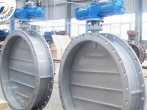
Case
Home / Case / Experience / How to Choose the Right Foot Valve for Your Pump System
Case

Design Standard: EN1074
Diameter range: DN50-DN800
Pressure range: PN10/16
Medium: Water
Material: DI
Application fields: Water supply and drainage
A Foot Valve is a specialized type of check valve installed at the submerged inlet end of a suction pipe — typically at the bottom of a tank, reservoir, well, or open water source. The name "foot" refers to its position at the "foot" or bottom end of the suction line.
Check valve function: Allows water to flow in only one direction (into the suction pipe) and prevents reverse flow back out of the pipe
Strainer function: A built-in screen or perforated basket prevents debris, fish, and other solids from entering the pump and piping system
The valve operates automatically: when the pump starts, suction pressure opens the valve, allowing water to flow upward into the pump. When the pump stops, gravity and backflow pressure close the valve, trapping water inside the suction pipe and keeping the pump primed.
Foot valves are essential for pump priming — without a foot valve, water in the suction pipe would drain back into the source when the pump stops, requiring the pump to be re-primed before each start. This not only wastes time but can damage pumps that run dry.
* A valve body with a hinged or spring-loaded disc (similar to a swing or lift check valve)
* A strainer screen surrounding the inlet (to block debris)
* A seat against which the disc seals when closed
At WEIZIDOM, our Foot Valves are manufactured to EN1074 design standards with strict quality control (12 tests from raw material to final product), ensuring reliable pump priming and suction protection for water supply and drainage systems.
In water supply and drainage systems, the Foot Valve serves as a critical pump priming and protection device installed at the submerged end of suction lines.
| Function | Description |
| Maintaining Pump Prime | When the pump stops, the foot valve closes and holds water in the suction pipe — keeping the pump primed and ready for immediate restart. Without a foot valve, the pump would lose prime and run dry, causing damage. |
| Preventing Backflow from Suction Pipe | Stops water in the suction line from draining back into the source (tank, reservoir, well, or open water body) when the pump is off — eliminates the need to re-prime before each pump start. |
| Straining Debris from Inlet Water | The built-in strainer screen prevents sand, gravel, leaves, fish, and other debris from entering the suction pipe — protecting the pump impeller, seals, and downstream equipment from damage. |
| Protecting Pumps from Dry Running | By maintaining prime and providing a continuous supply of water when the pump operates, the foot valve helps prevent dry running conditions that can rapidly destroy pump seals and impellers. |
| Reducing Pump Start Time | Since the suction line remains full, pumps start against minimal air in the line — reducing start-up time and eliminating the need for separate priming systems. |
| Preventing Pump Cavitation | By ensuring a steady, uninterrupted flow of water to the pump suction, the foot valve helps maintain proper net positive suction head (NPSH) conditions — reducing the risk of cavitation damage. |
| Application | Specific Use |
| Pump Suction from Tanks/Reservoirs | Bottom of suction pipes in water storage tanks, clear wells, and reservoirs |
| Pump Suction from Open Water Sources | Intake ends of pipes submerged in rivers, lakes, ponds, and canals |
| Dewatering and Construction Sites | Suction hoses of temporary pumps used for excavation dewatering |
| Irrigation Pump Stations | Suction inlets of pumps drawing from irrigation canals or storage ponds |
| Drainage Pump Stations | Submerged inlets of stormwater or wastewater pump stations |
| Fire Protection Systems | Suction lines of fire pumps drawing from dedicated storage tanks |
| Industrial Water Intake | Pump suction from cooling ponds, process water tanks, or raw water basins |
WEIZIDOM’s Foot Valve is engineered specifically for water supply and drainage pump suction applications, providing reliable priming and protection.
| Feature | Advantage |
| EN1074 Compliance | Manufactured to European standard for valves in water supply systems — ensures performance, durability, and quality for municipal and industrial water applications. |
| Ductile Iron (DI) Construction | High-strength ductile iron body provides excellent mechanical properties, impact resistance, and durability — ideal for submerged and continuous-duty pump suction applications. |
| Integrated Strainer Screen | Built-in perforated or mesh strainer surrounds the valve inlet — blocks debris from entering the pump while allowing full water flow. One component serves two critical functions. |
| Wide Diameter Range (DN50–DN800) | Covers everything from small pump suction lines (DN50) to large drainage pump stations (DN800) — a single valve family for diverse pump system needs. |
| Pressure Ratings PN10/PN16 | Suitable for low to medium pressure pump suction applications — covers typical water supply and drainage pressure conditions. |
| Reliable Sealing for Prime Retention | Precision-machined seat and disc provide bubble-tight closure when the pump stops — ensures the suction line remains full, preventing prime loss and eliminating re-priming. |
| Installation Guideline | Reason |
| Install at the submerged end of the pump suction pipe | The valve must be fully submerged at all times during pump operation to maintain prime. |
| Position the strainer at least 2–3 pipe diameters above the tank/reservoir bottom | Prevents the strainer from drawing in settled sediment and debris from the floor of the tank or water body. |
| Ensure adequate submergence above the foot valve (minimum 2–3 times pipe diameter) | Prevents vortex formation that could draw air into the suction line, causing pump cavitation. |
| Install with flow direction matching the arrow (upward into the suction pipe) | Reverse installation will prevent flow and may damage the valve. |
| Install an isolation valve upstream (between foot valve and pump) for maintenance access (recommended) | Allows removal or maintenance of the foot valve without draining the entire suction line. |
| Provide access for inspection and cleaning | The strainer will accumulate debris over time — ensure the foot valve location allows periodic cleaning access. |
| Ensure the foot valve is installed vertically (or as specified) | Most foot valves are designed for vertical installation with the strainer pointing downward. |
| Protect the suction pipe from freezing | A frozen suction pipe can burst and will prevent pump operation — insulate or heat-trace as required. |